
Understanding Autism
Autism is a neurodevelopmental difference — a different way of experiencing the world, not a problem to be fixed. If you are reading this because someone has wondered, or because you are wondering yourself, you are not alone. Many parents arrive at autism with a mix of relief, grief, hope, and a hundred questions. All of those feelings make sense. This guide is here to help you understand what autism is, what an assessment looks like, and where to go from here.
Around 1 in 70 Australians are autistic (Australian Institute of Health and Welfare). It is one of the most common neurodevelopmental differences.
Autism is identified more often now than in previous generations — not because it is more common, but because we recognise it better, particularly in girls and gender-diverse young people.
Autistic young people grow into autistic adults. With the right understanding, they often grow into adults who know themselves well and live full, connected lives.
What Autism Can Look Like
No two autistic young people are the same. The DSM-5-TR groups the differences into two broad areas:
Social communication and interaction
Differences in eye contact, body language, or conversational rhythm.
Difficulty reading unwritten social rules — particularly in groups.
Stronger preference for one-to-one connection, deep interests, or small trusted friendships.
Restricted, repetitive behaviours and sensory differences
Deep, focused interests — sometimes called passions or special interests.
Preference for routine, predictability, and knowing what comes next.
Sensory sensitivities (sound, light, touch, smell, taste) or sensory seeking (movement, pressure, intensity).
Autism is not a behaviour problem. Many of the behaviours that families notice — meltdowns, withdrawal, rigid routines — are often the visible tip of an invisible iceberg of overwhelm, masking, and unmet sensory or social needs.
What an Assessment Involves
A thorough autism assessment typically includes a developmental history interview with parents, standardised observation with the young person (often using the ADOS-2 or MIGDAS-2), cognitive assessment where it adds clarity, sensory and adaptive measures, and information from school. The clinician brings all of this together into a written report with a clear formulation and practical recommendations.
At Newport Counselling & Psychology Service we work with children, adolescents, and adults across Melbourne's inner west. Our reports are written to be useful for families, schools, and the NDIS.
If You're Wondering Where to Start
Your GP is often the first step. They can talk through your concerns and provide a Mental Health Care Plan for therapy components.
Your paediatrician (if you have one) can refer for assessment and coordinate medical aspects.
School can be a helpful partner. Class teachers and wellbeing staff often have valuable observations to share.
You don't need every answer before you act. A short phone call to a clinician can clarify whether assessment is the right next step.
Supporting Your Child Right Now
Validate the experience. Phrases like ‘that makes sense’ and ‘I can see this is hard’ go a long way.
Reduce unnecessary demands. Many autistic young people are doing a lot of internal work just to get through a school day.
Build in predictability. Visual schedules, warnings about changes, and consistent routines lower the cognitive load.
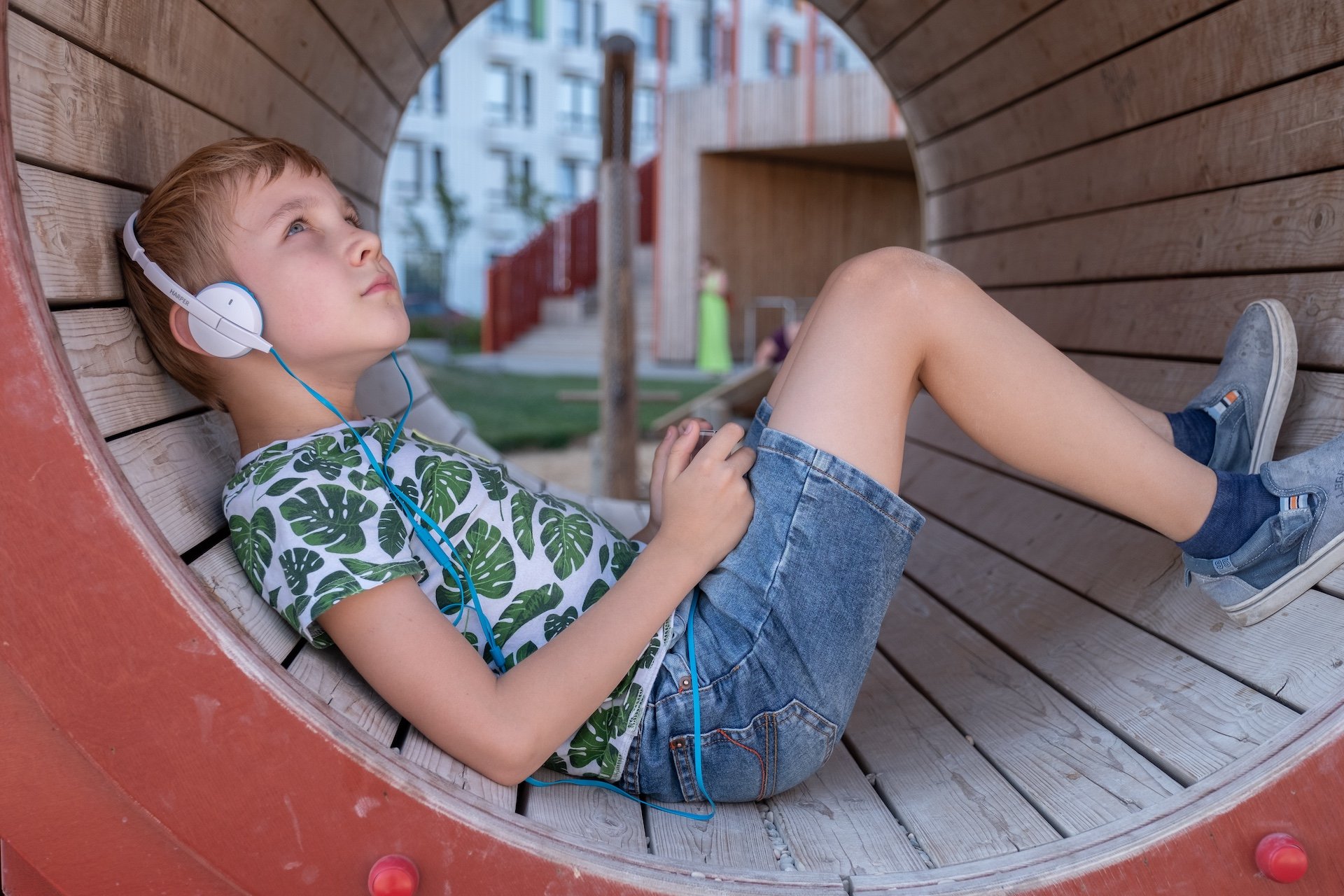
Honour the sensory world. Headphones, quiet spaces, and accepted fidgets are not indulgences — they are accommodations.
Name the strengths. Curiosity, honesty, deep focus, fairness, and original thinking are common autistic strengths worth celebrating.
You are not alone in this. The first weeks after a diagnosis can feel like a lot. Take your time. Lean on people who get it. Your child is the same child they were yesterday — you just have new language to understand them.
HELPFUL RESOURCES
AMAZE
1300 308 699 / amaze.org.au
Victorian peak body for autism. Helpline, family support, and school resources.
YELLOW LADYBUGS
Melbourne-based community supporting autistic girls, women, and gender-diverse young people.
RAISING CHILDREN NETWORK
https://raisingchildren.net.au/autism
Practical, evidence-based parenting information for autistic children and teens.
REFRAMING AUTISM
https://reframingautism.org.au
Autistic-led education and family resources, including neurodiversity-affirming language.