
Anxiety in Children
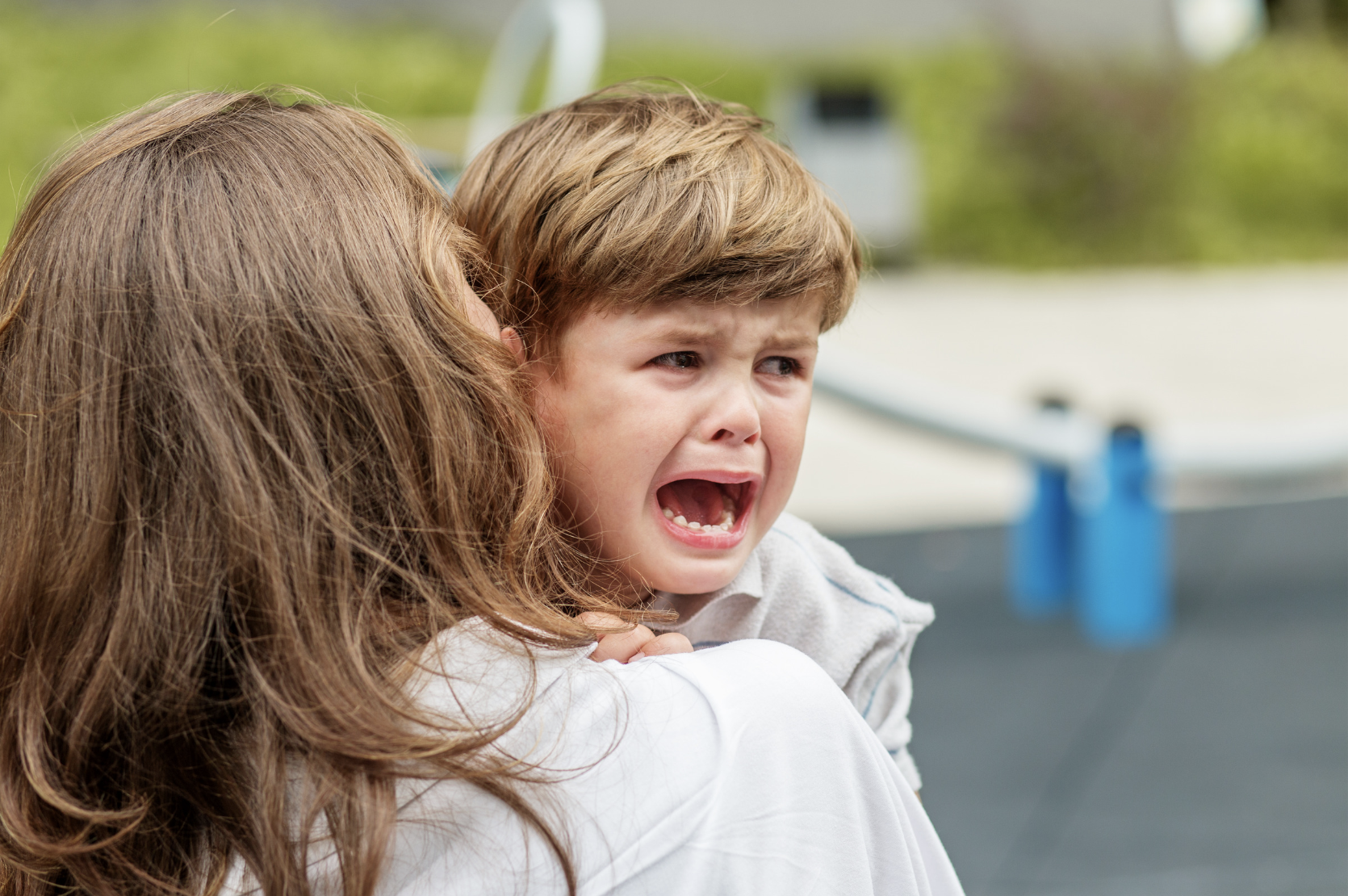
Anxiety is the most common mental health concern in Australian children. Most kids feel worried sometimes — about a test, a new teacher, a sleepover. Anxiety becomes a problem when it stops your child doing the things they want and need to do, or when it follows them long after the situation has passed. The good news: anxiety is highly treatable, and with the right support kids learn to manage it.
Around 1 in 14 Australian children aged 4-17 experience an anxiety disorder.
Anxiety often runs in families and frequently sits alongside other conditions like ADHD, autism, or learning differences.
Children rarely use the word ‘anxious’. They are far more likely to say their tummy hurts, they hate school, or they don't want to go.
What Anxiety Can Look Like in Kids
In their body
Stomach aches, headaches, nausea, frequent toilet trips — particularly before stressful situations.
Difficulty falling or staying asleep.
Racing heart, shortness of breath, sweaty palms.
In their behaviour
Avoiding people, places, or activities. School refusal is a common one.
Asking the same questions repeatedly. Needing constant reassurance.
Tantrums, meltdowns, or withdrawal — particularly at transition points.
Perfectionism, rigidity, or strong reactions to mistakes.
In their thoughts
‘What if?’ worries on repeat.
Expecting the worst. Jumping to conclusions.
Worrying about being judged, getting in trouble, or making mistakes.
Anxiety is not weakness, defiance, or being difficult. It is a nervous system on high alert. The child you see refusing, melting down, or shutting down is not choosing the behaviour — they are surviving an internal storm.
The Avoidance Trap
One of the most important things to understand about anxiety is that avoidance makes it stronger. When your child avoids the thing they're scared of, they feel better immediately — and their brain learns the situation must really be dangerous. Over time the worries grow and avoidance spreads.
The goal is not to remove every difficult feeling. It is to help your child gently learn that they can do hard things and the discomfort passes.
What Helps
Stay calm yourself. Children borrow regulation from the adults around them. A regulated parent is the most powerful intervention you have.
Validate before you fix. Say ‘that sounds really hard’ before you say ‘but you'll be okay’.
Don't promise it will be fine — they know you can't guarantee that. Promise you'll be there.
Take small steps. A child who can't walk into school may be able to sit in the car with you for ten minutes. That counts.
Keep routines going. Anxiety wants the world to shrink. Routines push gently against that.
Limit reassurance loops. One good answer to a worry. After that, return the worry to your child kindly — ‘you've already thought that one through’.
Sleep, movement, and food matter enormously. They are not soft strategies.
When to Seek Help
Consider professional support when anxiety is interfering with school, friendships, family life, or your child's wellbeing for more than a few weeks. Anxiety treated early rarely becomes the anxiety that follows a young person into adulthood. Cognitive behaviour therapy, exposure-based approaches, and family-focused work are highly effective.
HELPFUL RESOURCES
BEYOND BLUE HEALTHY FAMILIES
https://healthyfamilies.beyondblue.org.au
Anxiety information and family-focused mental health resources.
RAISING CHILDREN NETWORK
https://raisingchildren.net.au/anxiety
Practical parenting strategies for anxiety across all ages.
BRAVE ANXIETY PROGRAM
https://brave4you.psy.uq.edu.au/
An interactive, online program for children and adolescents
KIDS HELPLINE
1800 55 1800
Free counselling for young people aged 5-25.