


For Teens & Young Adults
These are for you, not about you. A lot of what gets written for teenagers is actually written for the adults worrying about them, which is pretty annoying. We've tried not to do that here. Have a scroll, take what's useful, ignore the rest.

Locking in without burning out
You've probably heard 'it's time to lock in' a thousand times by now, from teachers, from parents, maybe from your own brain at 11pm. And it's true, Term 3 is when VCE steps up. But locking in doesn't mean what a lot of people think it means. It doesn't mean studying until 2am, skipping meals, ditching your mates, or quitting the things you love. Your brain doesn't work like that. This guide is about locking in properly, in a way that actually gets you better results and keeps you well while you do it.
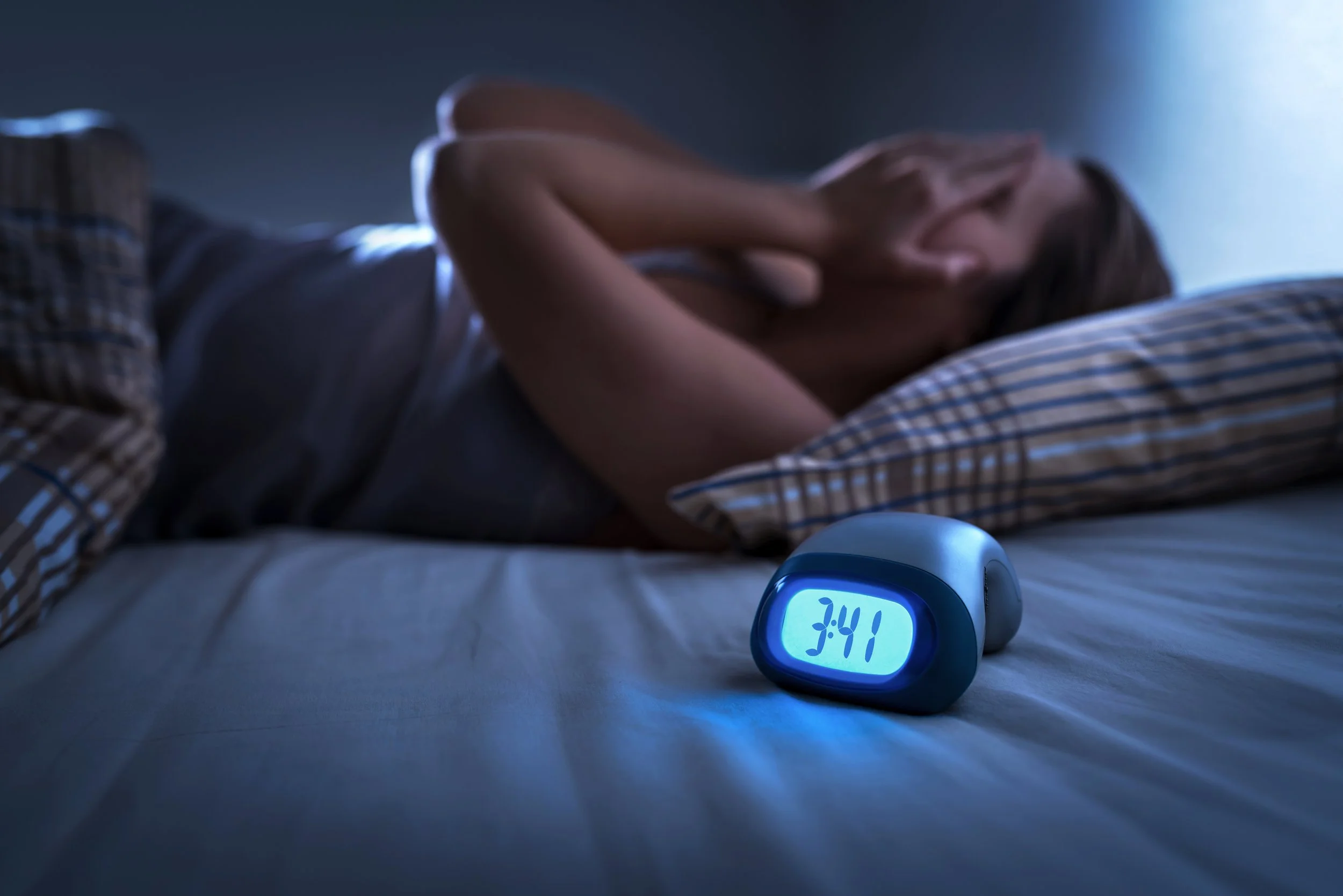
Sleep: What Helps When Your Brain Won't Switch Off
Sleep is something your body needs, but for many teenagers it can be harder than expected. You might feel tired but still find it difficult to fall asleep, notice your mind keeps racing at night, find yourself checking your phone, or worry about how tired you’ll feel the next day. This is a common experience.
Sleep difficulties are not always within your control. Sleep is influenced by biology, stress, habits, and your environment, and it can improve with time and the right support.