

Sleep: What Helps When Your Brain Won't Switch Off
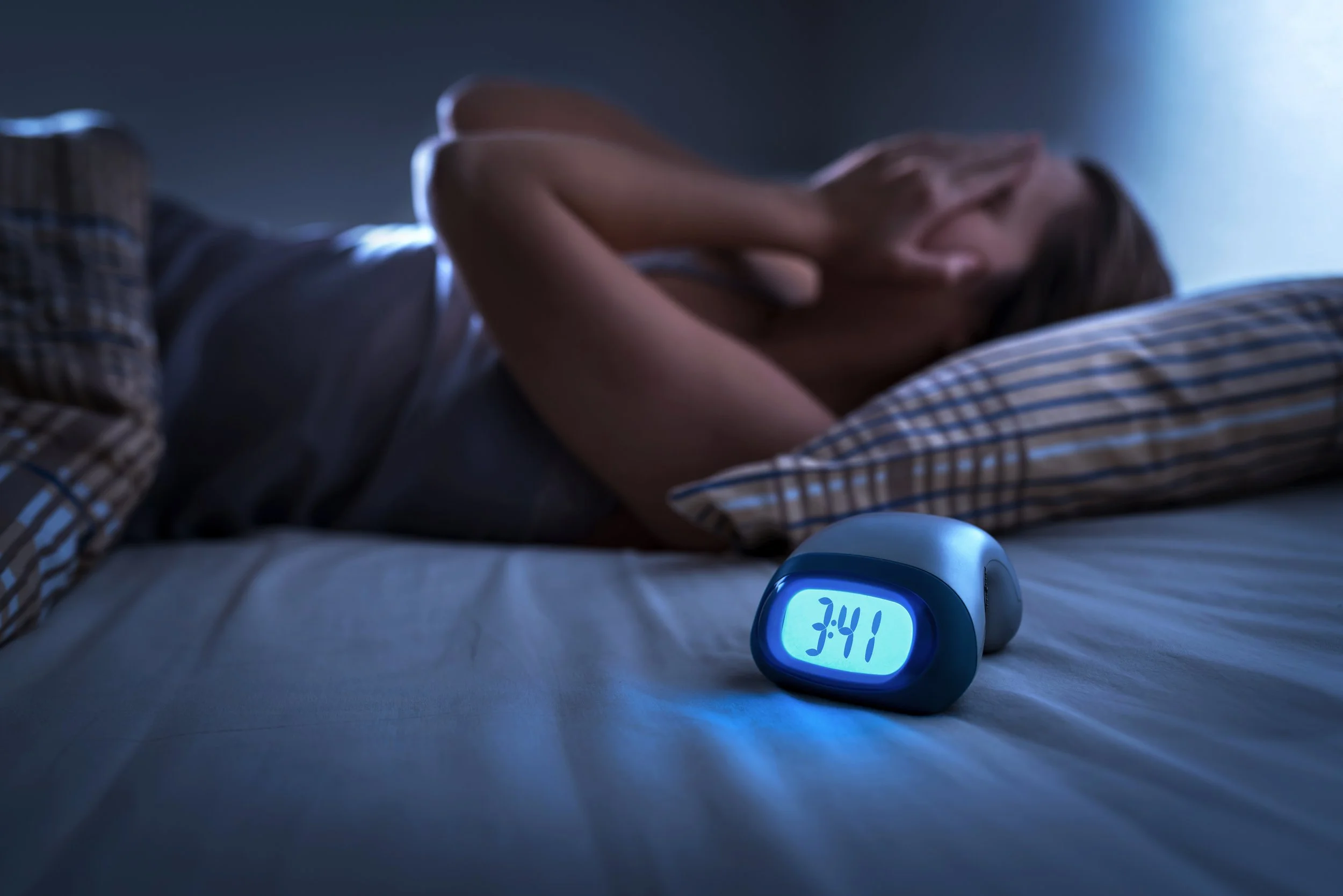
Sleep is something your body needs, but for many teenagers it can be harder than expected. You might feel tired but still find it difficult to fall asleep, notice your mind keeps racing at night, find yourself checking your phone, or worry about how tired you’ll feel the next day. This is a common experience.
During adolescence, your body clock naturally shifts later. Your brain releases melatonin (the hormone that makes you feel sleepy) later than it did when you were younger. Most teenagers need around 8-10 hours of sleep per night to support learning, mood, physical health, and wellbeing. At the same time, school, sport, work, and early wake times don’t shift with it. This creates a mismatch between when your body wants to sleep and when life expects you to be awake.
Sleep difficulties are not always within your control. Sleep is influenced by biology, stress, habits, and your environment, and it can improve with time and the right support.
What’s Happening in Your Body?
During the teen years:
Your body clock naturally shifts later by about 1-2 hours
Melatonin is released later, so you don’t feel sleepy until later at night
Bright light and screens can delay sleep signals further
Stress and overthinking can keep your brain alert
Early wake times can reduce total sleep
Sleep cannot be forced. The more pressure you put on yourself to sleep, the more alert your brain can become.
The Sleep Cycle
A common pattern looks like this:
Can’t sleep → worry about not sleeping → feel more awake → harder to sleep
Over time, your brain can start linking bedtime with stress instead of sleep. The goal isn’t to stop your thoughts completely, it’s to help your body feel calm enough for sleep to happen naturally.
What Can Make Sleep Harder?
Some things can seem helpful in the moment but make sleep harder over time:
Using your bed for lots of things (scrolling, studying, gaming, stressing). Your brain stops linking bed with sleep
Caffeine after mid-afternoon (coffee, energy drinks, pre-workout).
Screens in the 30-60 minutes before bed. These can keep your brain alert, affect your natural sleep signals, and make it easier to stay awake longer than planned.
Sleeping in much later on weekends. This can shift your body clock further
Trying to solve problems at 1am. Worries feel bigger when you’re tired
Things That Help
Small, consistent changes matter more than perfect routines:
Keep a regular wake-up time (within about an hour, even on weekends)
Get morning light within 30–60 minutes of waking (outside if possible)
Have a wind-down routine (dim lights, shower, reading, calm music)
Keep your room cool, dark, and quiet
Move your body during the day (even walking helps sleep pressure build)
Avoid caffeine after mid-afternoon
When Your Brain Won’t Stop Thinking
A busy brain is one of the most common reasons sleep is hard. Try:
Writing down worries, reminders, or thoughts to get them out of your head
Doing something calm and slightly boring (light reading, calm podcast)
Slow breathing (inhale 4 seconds, exhale 6–8 seconds)
If you’re awake for a while, get up briefly and do something quiet in low light, then return to bed
The aim is not to force sleep, it’s to lower alertness.
What About Naps?
Naps can help sometimes, but timing matters:
Short naps (10-30 minutes)
Best time: early afternoon
Avoid:
Long naps
Late afternoon or evening naps
Myths vs Facts
Myth: “I can catch up on sleep on weekends”
Fact: Sleeping in can help you feel less tired, but very different sleep times can shift your body clock and make Monday mornings harder.
Myth: “Everyone else sleeps fine”
Fact: Lots of people have trouble sleeping sometimes. Sleep problems are especially common during adolescence and stressful periods.
Myth: “I need to fall asleep straight away”
Fact: Most people don’t fall asleep instantly. It’s normal for sleep to take some time, especially when your brain has been busy.
Myth: “If I can’t sleep, I should stay in bed trying harder”
Fact: The harder you try to force sleep, the more alert your brain can become. A calm break in low light can help your brain reset.
Myth: “If I wake up during the night, my sleep is ruined”
Fact: Brief awakenings are normal. The goal is to stay calm and give your body a chance to return to sleep.
Myth: “Using my phone helps me relax before bed”
Fact: Phones can feel relaxing, but scrolling, messages, and bright light can keep your brain switched on and make it harder to wind down.
Myth: “I should only go to bed when I’m exhausted”
Fact: Having a regular sleep routine helps train your body clock, even if you don’t feel perfectly sleepy every night.
When to Get Support?
It’s worth talking to someone if:
You regularly take a long time to fall asleep
You wake often or too early
You feel exhausted most days
Sleep is affecting mood, school, sport, or relationships
Worry or anxiety keeps you awake
Nothing you try seems to help
Sleep difficulties are common and treatable. A conversation with a GP, psychologist, or trusted adult can be a good first step.
Remember:
One bad night of sleep does not mean something is wrong. Everyone has nights where sleep doesn’t happen easily. The goal is not perfect sleep. It is helping your body and brain get the best chance to rest.
HELPFUL RESOURCES
SLEEP HEALTH FOUNDATION
https://www.sleephealthfoundation.org.au/
Clear, evidence-based information about sleep and sleep problems.
SMILING MIND
Free guided meditations and sleep wind-down exercises.
HEADSPACE
Support for stress, anxiety, and sleep difficulties in young people.
HEALTHDIRECT
https://www.healthdirect.gov.au
Reliable Australian health information, including sleep problems and when to seek medical support.