The Unspoken Mask - Parenting Children with Neurodivergent Profiles

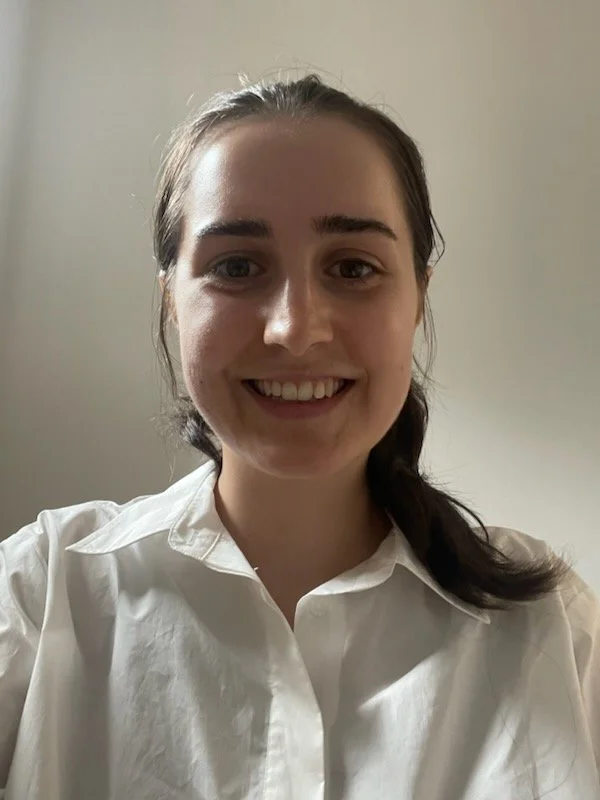
The following article is written by Isabel Cause, a final year psychology student at Monash University, who is undergoing an internship at Newport Counselling & Psychology Service.
The understanding of neurodiversity is always evolving to recognise the many ways conditions such as autism and ADHD can present. Terms like ‘camouflaging’ and ‘masking’ are increasingly used to describe how autistic individuals may adapt to blend in, with growing attention on the impact this has on teens’ mental health. While these strategies are widely discussed, less attention has been given to the masks worn by parents.
Parents of neurodivergent children face unique challenges that can significantly affect their mental health. These include underrecognised fatigue, the constant need to be strong, social and emotional isolation, and the demands of extensive caregiving responsibilities.
When interacting with educators, healthcare providers, friends, and family, parents of neurodivergent children are often met with bias, resistance, or misunderstanding. Advocating for their child’s fair treatment is repetitive and exhausting, requiring parents to take on both teaching and advocacy roles. Constantly attending to their child’s needs, behaviours, and triggers adds to this fatigue and isolation. The expectation to remain vigilant, patient, and understanding can feel impossible and is a demand often masked by the need to be strong.
Parents of neurodivergent children often serve as their child’s safe harbour in a world of unpredictable waves and changing tides. They understand their child's needs, triggers and coping mechanisms best, but carrying the responsibility of providing the sole stability and understanding can be isolating. Raising a child among neurotypical peers with lower support needs can lead to misunderstanding or judgment, reinforcing the expectation that parents must resiliently take on multiple caregiving roles as their given parental duties. Without adequate support, parents may carry guilt, shame, and emotional strain, with few opportunities to express vulnerabilities or process grief.
Recognising the masks parents carry is an important step toward ensuring they receive the understanding, compassion, and support they deserve. Parents and caregivers are often doing the best they can with the tools and resources available to them, often while navigating challenging circumstances. It is important that they feel comfortable prioritising self-care and seeking support when they need it.
Many parents are surprised when they are encouraged to prioritise their own needs. However, caring for themselves is not only important for their own wellbeing, it is also essential for their ability to support their children effectively. Reaching out for support is a reflection of strength and resilience. It also demonstrates a commitment to creating a nurturing and supportive environment for the whole family.
At NCPS, we tailor our services to support the diverse challenges and experiences of neurodivergent individuals and their families across different stages of life. Our work is guided by trauma-informed and neurodiversity-affirming approaches, and we collaborate closely with both individuals and families to provide compassionate, individualised care.
All clinicians at NCPS have experience working with neurodiverse clients and undertake ongoing neurodiversity-affirming training. Our team draws from a range of therapeutic approaches when working with teens and adults, including EMDR, CBT, ACT, schema therapy, and mindfulness-based strategies. We offer emotional support, psychoeducation, and practical strategies to manage anxiety, overwhelm, and emotions. Families also receive guidance in social connection skills, parent education, advocacy, and collaboration with schools. NDIS support and funding are available at our clinic, including assessment, treatment, and planning.
Our neuroaffirming service recognises the daily challenges neurodivergent individuals experience and takes a strengths-based approach within a welcoming and inclusively designed clinic. Our outdoor gym/play area and arts-and-crafts studio are particularly beneficial in play and family based therapy for children with high movement expression needs, while therapy rooms feature adjustable lighting and a comfortable waiting space designed to accommodate sensory needs.
Just as we are beginning to recognise masking in neurodivergent individuals, it is equally important to acknowledge the masks parents may wear. By recognising these experiences, NCPS aims to create spaces where families feel understood, supported, and less alone.