

For Parents & Carers
Most parents who find their way here are somewhere in the middle of something. A new diagnosis, a school that's not coping, a child who seems to be struggling in ways that are hard to name. (Some of you have been in the middle of it for a while.) We've put these sheets together to give you something useful to read when the questions start stacking up. Not everything will land, but something might.

Surviving the After-School Slump
If your child is described as ‘lovely’ and ‘so well-behaved’ by their teacher, and you are picking them up off the kitchen floor by 3:45pm, you are not imagining it. This pattern is common enough to have its own name: after-school restraint collapse.

Your Child’s First Counselling Assessment
Booking that first appointment can feel like a big step, and it is completely normal to arrive with a few nerves, yours as much as your child’s. Most families tell us afterwards that it was far less daunting than they expected. This guide walks you through what actually happens in a first session, how to prepare your child, and what you can expect to walk away with.
What Happens in an Autism Assessment
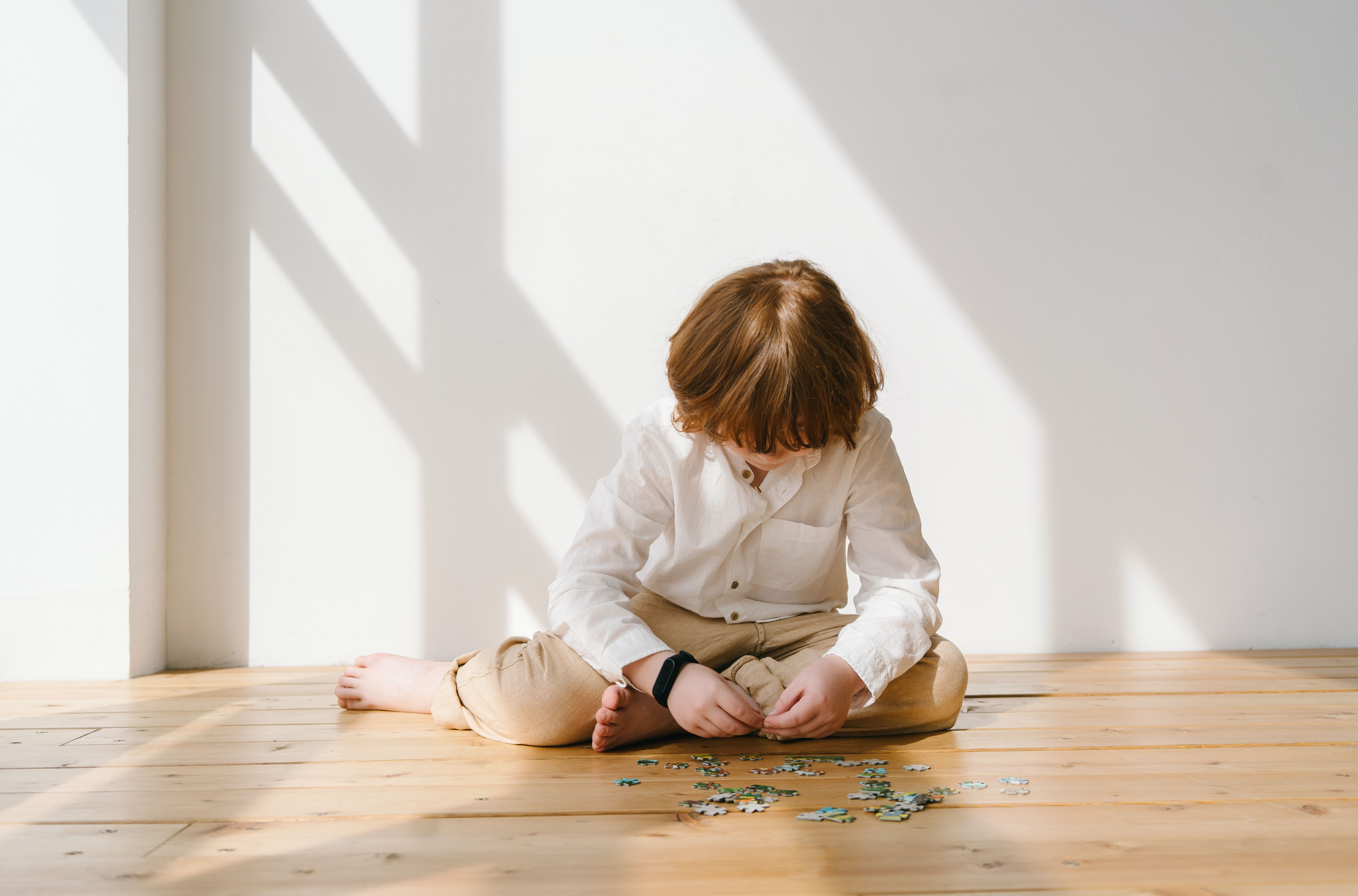
Deciding to seek an autism assessment is a significant step, and most parents arrive with a mix of hope, worry, and a very long list of questions. An assessment is not a test your child can fail. It is a careful, structured way of understanding how your child thinks, communicates, and experiences the world, so that the people around them can support them better. This guide walks you through the process, from referral through to report.

Anxiety in Children
Anxiety is the most common mental health concern in Australian children. Most kids feel worried sometimes — about a test, a new teacher, a sleepover. Anxiety becomes a problem when it stops your child doing the things they want and need to do, or when it follows them long after the situation has passed. The good news: anxiety is highly treatable, and with the right support kids learn to manage it.

Sleep, Screens and Morning Routines: Changes That Can Make Family Life Easier
Sleep, screens, and mornings are closely connected. When one of these areas becomes difficult, the others often become harder too. When they are working reasonably well together, many daily challenges become easier to manage.
This is not about creating the perfect routine. It is about making small changes that help your child start and finish the day feeling more rested, regulated, and ready to cope.
Supporting School Refusal
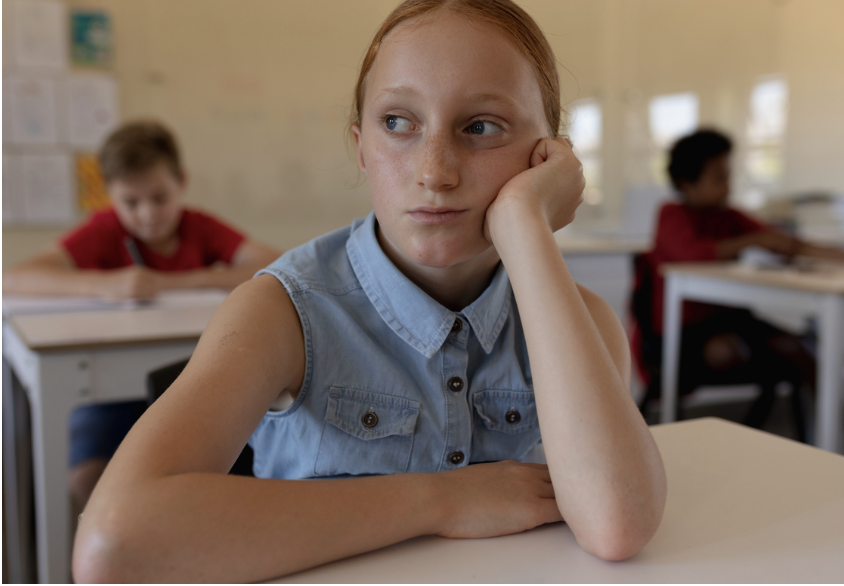
School refusal is when a child experiences significant distress about going to school and struggles to attend or stay there regularly. School refusal is not about defiance or laziness. Most children who reject school actually do want to attend but often feel overwhelmed or unable to cope. School refusal is usually linked to anxiety or emotional distress, rather than behavioural problems.