


For Teens & Young Adults
These are for you, not about you. A lot of what gets written for teenagers is actually written for the adults worrying about them, which is pretty annoying. We've tried not to do that here. Have a scroll, take what's useful, ignore the rest.

Locking in without burning out
You've probably heard 'it's time to lock in' a thousand times by now, from teachers, from parents, maybe from your own brain at 11pm. And it's true, Term 3 is when VCE steps up. But locking in doesn't mean what a lot of people think it means. It doesn't mean studying until 2am, skipping meals, ditching your mates, or quitting the things you love. Your brain doesn't work like that. This guide is about locking in properly, in a way that actually gets you better results and keeps you well while you do it.

Understanding Neurodivergence
Neurodivergence is a word used to describe brains that work in different ways. It includes autism, ADHD, dyslexia, dysgraphia, dyscalculia, dyspraxia (DCD), Tourette syndrome, and other neurodevelopmental differences. If you're neurodivergent, your brain isn't broken or "wrong" - it's simply wired differently.
Neurodivergence is common. Estimates suggest around 15-20% of people in Australia may be neurodivergent, depending on how neurodivergence is defined. Neurodivergent brains come with genuine strengths as well as genuine challenges, and understanding how your own brain works is one of the most valuable things you can do as a teenager.

Neurodivergent Problem Solving
Many neurodivergent people are skilled problem solvers. They often bring creativity, persistence, attention to detail, pattern recognition, and unique ways of thinking to challenges. These strengths can lead to innovative solutions and fresh perspectives that others may overlook.
At the same time, problem solving can sometimes feel difficult or overwhelming. Understanding how your brain approaches problems can help you develop strategies that work with your strengths rather than against them.
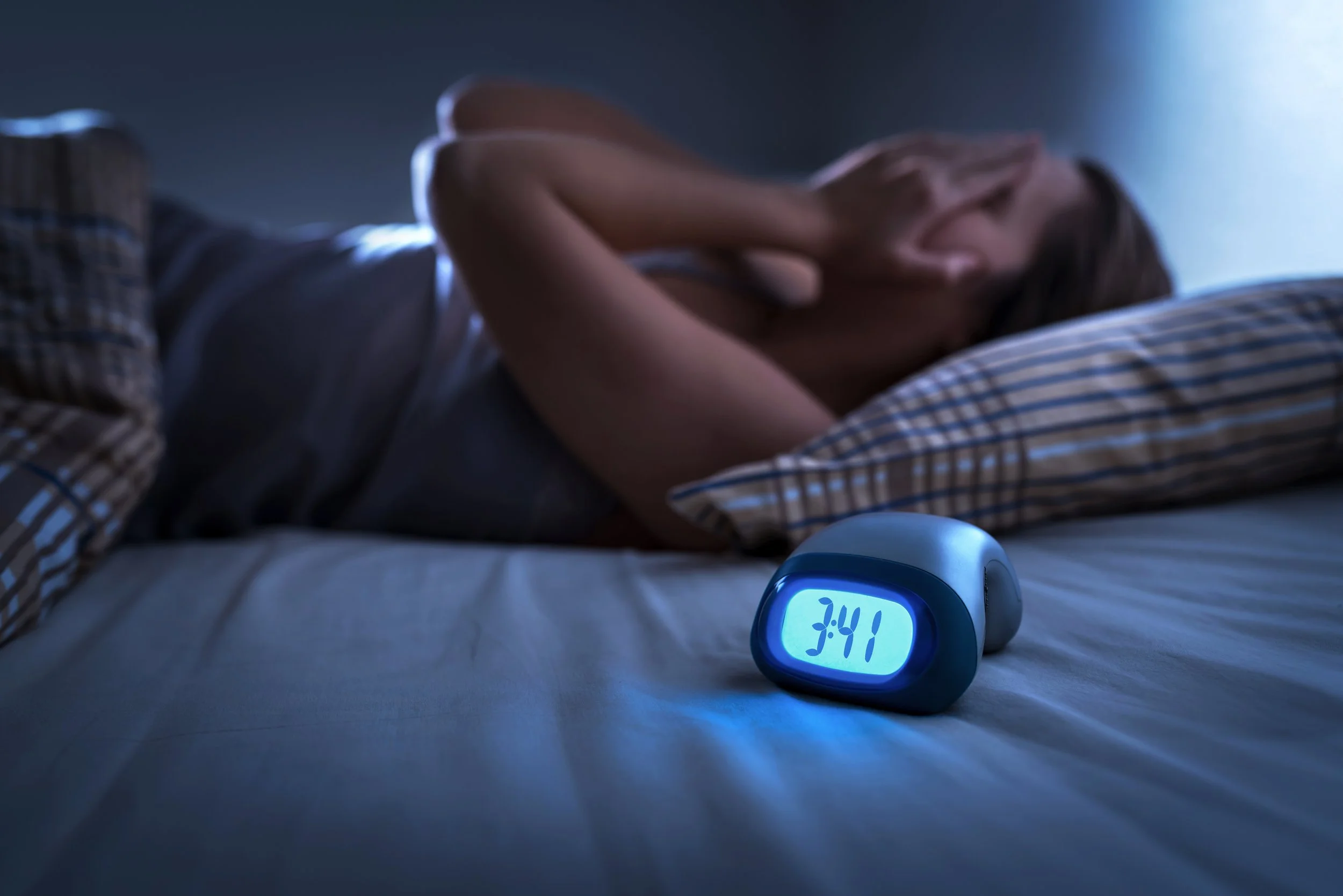
Sleep: What Helps When Your Brain Won't Switch Off
Sleep is something your body needs, but for many teenagers it can be harder than expected. You might feel tired but still find it difficult to fall asleep, notice your mind keeps racing at night, find yourself checking your phone, or worry about how tired you’ll feel the next day. This is a common experience.
Sleep difficulties are not always within your control. Sleep is influenced by biology, stress, habits, and your environment, and it can improve with time and the right support.

Understanding Obsessive Compulsive Disorder
Obsessive-Compulsive Disorder (OCD) is a mental health condition where the brain gets stuck in a cycle of unwanted thoughts and repetitive behaviours. These thoughts can feel upsetting, scary, confusing, or impossible to ignore. Despite what people often say, OCD is not just about being neat, organised, or liking things a certain way. It can be exhausting, time-consuming, and have a major impact on daily life.

Understanding Anxiety
Anxiety is one of the most common mental health experiences in Australian teens. If you're reading this, chances are you already know what anxiety feels like; racing heart, churning stomach, a brain that won't stay quiet, and a body that won't relax. This is a guide to making sense of it, understanding what's going on, and learning what actually helps.

Understanding Depression
Depression is more than just sadness or having a bad day. It is a mood disorder that affects your ability to cope with daily life due to persistent low energy and loss of enjoyment of life for more than two weeks. Young people can seem more irritable, withdrawn from friends, a decline in school/work performance, headaches, and stomach aches. Depression is rarely ever caused by one thing alone.