


For Parents & Carers
Most parents who find their way here are somewhere in the middle of something. A new diagnosis, a school that's not coping, a child who seems to be struggling in ways that are hard to name. (Some of you have been in the middle of it for a while.) We've put these sheets together to give you something useful to read when the questions start stacking up. Not everything will land, but something might.

Your Child’s First Counselling Assessment
Booking that first appointment can feel like a big step, and it is completely normal to arrive with a few nerves, yours as much as your child’s. Most families tell us afterwards that it was far less daunting than they expected. This guide walks you through what actually happens in a first session, how to prepare your child, and what you can expect to walk away with.
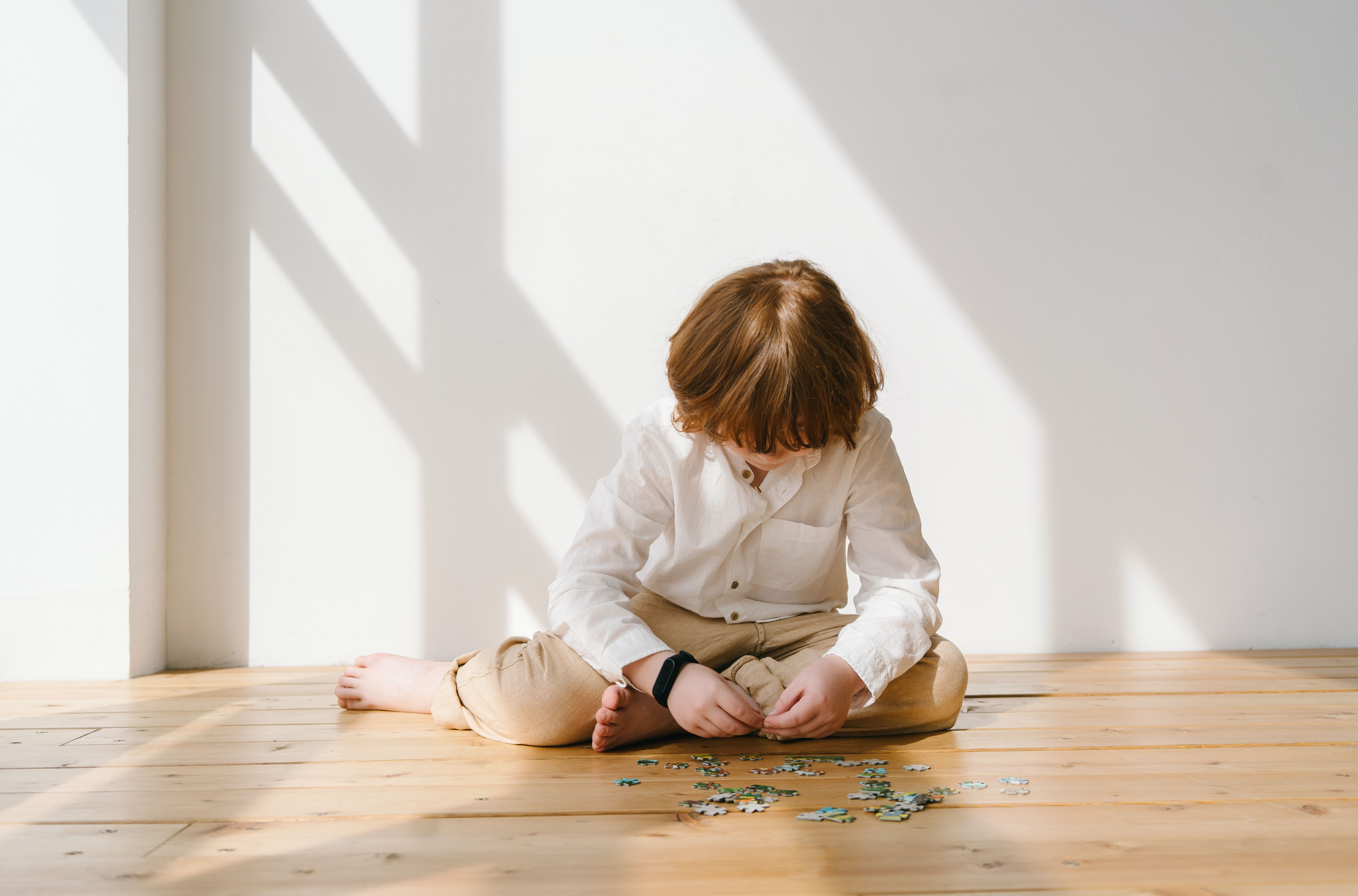
What Happens in an Autism Assessment
Deciding to seek an autism assessment is a significant step, and most parents arrive with a mix of hope, worry, and a very long list of questions. An assessment is not a test your child can fail. It is a careful, structured way of understanding how your child thinks, communicates, and experiences the world, so that the people around them can support them better. This guide walks you through the process, from referral through to report.

Understanding Pathological Demand Avoidance (PDA)
Pathological Demand Avoidance (PDA), sometimes referred to as Pervasive Drive for Autonomy, describes a profile within autism where everyday demands and expectations can feel overwhelming or threatening to a child’s nervous system. Children with a PDA profile are not being deliberately naughty or defiant. Their nervous system can respond to demands, even small or enjoyable ones, as though they were a threat to their sense of control. If parenting can sometimes feel like every request turns into a negotiation, this guide may help make sense of what is happening and why.

Understanding Depression in Young People
Depression in young people is more than sadness or a difficult week. It is a mood condition that can affect energy, motivation, sleep, appetite, concentration, and the way a young person sees themselves and the world around them. It often looks different in children and teenagers than it does in adults, and it can go unnoticed for a long time, sometimes mistaken for laziness, moodiness, or ‘just a phase’. If you are worried about your child, your instinct matters. This guide is here to help you make sense of what you may be seeing and how to respond.

Anxiety in Children
Anxiety is the most common mental health concern in Australian children. Most kids feel worried sometimes — about a test, a new teacher, a sleepover. Anxiety becomes a problem when it stops your child doing the things they want and need to do, or when it follows them long after the situation has passed. The good news: anxiety is highly treatable, and with the right support kids learn to manage it.

Understanding Autism
Autism is a neurodevelopmental difference — a different way of experiencing the world, not a problem to be fixed. If you are reading this because someone has wondered, or because you are wondering yourself, you are not alone. Many parents arrive at autism with a mix of relief, grief, hope, and a hundred questions. All of those feelings make sense. This guide is here to help you understand what autism is, what an assessment looks like, and where to go from here.

VCE — Without Losing Your Mind
VCE is intense for the student doing it, and intense for the parents alongside them. The two years of VCE can take over family life if you let them, and they can affect mental health, relationships, sleep, and self-worth in ways that linger long after the ATAR arrives. This guide is for the parents holding the line: supporting hard work and protecting the human inside it.

Understanding Sensory Processing
Sensory processing is how the brain takes in, organises, and responds to information from the senses, including sound, sight, touch, smell, taste, movement, and body awareness.
Most people have a sensory profile that falls within a typical range. Some children experience sensory input more intensely or less intensely than others, which can influence how they respond to everyday environments.

Sleep, Screens and Morning Routines: Changes That Can Make Family Life Easier
Sleep, screens, and mornings are closely connected. When one of these areas becomes difficult, the others often become harder too. When they are working reasonably well together, many daily challenges become easier to manage.
This is not about creating the perfect routine. It is about making small changes that help your child start and finish the day feeling more rested, regulated, and ready to cope.

Understanding Specific Learning Disorders
A Specific Learning Disorder (SLD) is a neurodevelopmental condition that affects how a person learns and processes information about reading, writing, or mathematics. It’s not caused by low intelligence, laziness, or poor parenting. At this stage, there is no definitive cause to explain SLD but it is likely that a combination of genetic, developmental, and environmental factors may contribute to it. Many people with SLD are intelligent, creative, and capable but their brain processes information differently. The difficulties are usually ongoing and can make school, work, or everyday tasks much harder to manage.

Strength Based Parenting
When a child is identified as autistic, has ADHD, or is otherwise neurodivergent, attention is often focused on challenges and support needs. While these are important, they are only part of the picture. Every neurodivergent child also has strengths, interests, and unique qualities that deserve recognition.
A strengths-based parenting approach helps families understand both strengths and challenges, supporting confidence, resilience, wellbeing, and a positive sense of identity. Rather than focusing on changing a child, the goal is to help them thrive as the person they are.

Supporting School Refusal
School refusal is when a child experiences significant distress about going to school and struggles to attend or stay there regularly. School refusal is not about defiance or laziness. Most children who reject school actually do want to attend but often feel overwhelmed or unable to cope. School refusal is usually linked to anxiety or emotional distress, rather than behavioural problems.
Understanding ADHD
Attention Deficit Hyperactivity Disorder (ADHD) or previously known as Attention Deficit Disorder (ADD) is a developmental condition that begins in early childhood. With persistent symptoms of inattention, hyperactivity, and impulsivity, it changes the way the brain manages concentration, emotions, impulses, organisation, and motivation.