
Supporting School Refusal
What is school refusal?
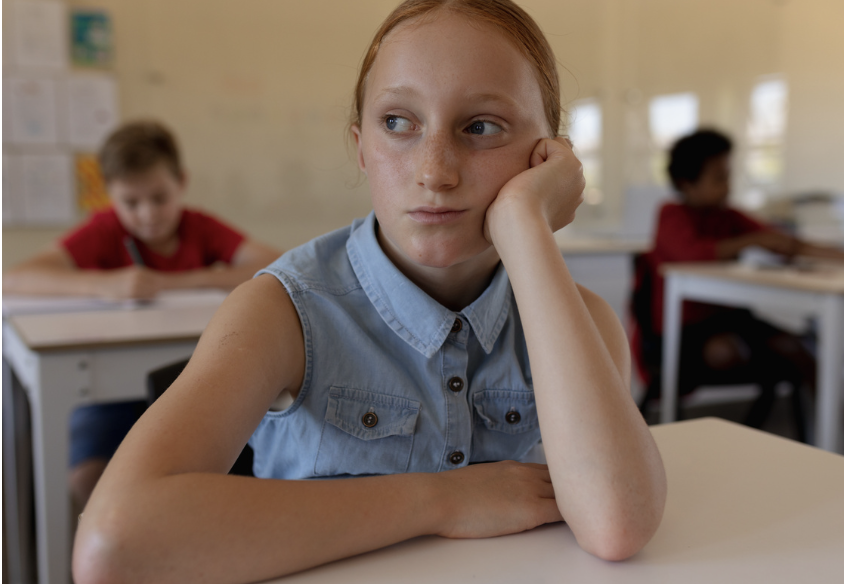
School refusal is when a child experiences significant distress about going to school and struggles to attend or stay there regularly. School refusal is not about defiance or laziness. Most children who reject school actually do want to attend but often feel overwhelmed or unable to cope. School refusal is usually linked to anxiety or emotional distress, rather than behavioural problems.
Early intervention is crucial. Prolonged absences can impact a child's social and academic development, particularly when key parts of the curriculum are missed. Without support, children are at risk of early school dropout, which may lead to difficulties with employment and job stability later in life. Ongoing school refusal can also place strain on family relationships due to disruptions in routine and work.
School refusal is often a symptom of another underlying issue. It’s important that we understand and address the deeper causes when supporting a child’s return to regular school attendance. Forcing a child to go back to school without identifying the root cause of their distress may be even more detrimental to their developmental journey. A criticism of the biomedical model is that it typically recognises school refusal and difficulty as an individualistic challenge. This reinforces stigma, negative stereotypes, and changes the approach to resolving school refusal as broader social and environmental factors are overlooked.
It is estimated that 1 in 14 children and young people aged 4–17 in Australia experience an anxiety disorder (Child and Youth Mental Health Service, Queensland Children’s Hospital). Anxiety is not something children grow out of. With the right strategies and support, children can learn to manage anxious feelings, build confidence, and gradually face situations without avoidance.
Why does it happen?
Many young people experiencing school refusal are often diagnosed with generalised anxiety disorder, separation anxiety disorder, panic disorders and/or social anxiety, with 50–80% of children meeting criteria for one or more disorders (Beyond Blue). Anxiety is a normal emotional response to situations that can be challenging or uncertain. It’s the body’s way of preparing itself to deal with things by increasing alertness and readiness to act. In small amounts, this can be helpful to motivate children to prepare, stay safe, and try their best.
What are some signs?
It’s not uncommon for young people to be nervous or worried about going to school. However, for some students this worrying can be excessive and lead to difficulty leaving home or going to school. Some signs of school refusal an educator or parent may notice are:
• Attachment issues or running away upon arrival (in primary school-aged children)
• Expressed reluctance to attend school (‘I don’t want to go’)
• Frequent complaints of sickness (e.g. stomach aches, headaches, fatigue etc.)
• Absence on specific days (e.g. athletics day, test days)
• Frequently late to school
• Long periods spent in the sick bay or principal’s office
• Long, unexplained absences from school
• Tantrums, yelling, or screaming
• Hiding or locking themselves in their room
How is school refusal treated?
School refusal is best managed through a collaborative and supportive approach with the child, family, school, and health professionals. Actions may include:
• Using a problem-solving approach to tackle daily challenges
• Gradual return-to-school plans that reintroduce attendance in manageable steps
• Parental support and guidance
• School-based adjustments such as flexible start and finish times, safe spaces
• Ongoing communication between families, schools, and clinicians
• Exposure-based strategies where children gradually face feared situations in a supported way
• Psychoeducation to help children and families understand anxiety and how it works
Maintaining some level of school connection is important, even if attendance starts small. This helps preserve learning, social development, and self-confidence that may decline with social isolation. Supporting back-to-school behaviour takes patience, consistency, and teamwork from everyone.
Assessing anxiety outcomes
Identifying the root cause of school refusal is a key step. If your child is experiencing physical symptoms, begin with your GP to rule out any medical concerns. If no physical issues persist, your GP can provide a Mental Health Care Plan and referral to a mental health clinician with Medicare rebates available.
Strategies that can help
Emotional support and communication; model calm behaviour and avoid showing frustration, because children often take emotional cues from the adults around them. Listen to your child and validate their feelings without dismissing their concerns. Emphasise the importance of attending school by using clear and confident language that reinforces expectations. Guide your child to problem solve challenges and think through possible solutions independently. Encourage autonomy by supporting them rather than stepping in to solve every problem for them. Reinforce that mistakes are normal and are an important part of learning and growth.
Routine and environment; maintain consistent morning and evening routines to reduce the anxiety that can come with abrupt changes. Prepare the school bag in advance to prevent rushing in the morning and adding unnecessary stress. Keep the home environment calm and low in stimulation during school hours so staying home does not become more appealing than attending school. Encourage your child to complete schoolwork at home so they can stay connected with learning.
Encouraging attendance; encourage school attendance even if it is only partial or begins later in the day, because this helps maintain routine and connection with school. Use problem solving skills to identify the exact causes of stress so they feel more manageable and less overwhelming to address. Try alternative drop off strategies to make the transition to school feel safer and more achievable. Use praise and small rewards to help your child associate school attendance with positive outcomes.
Support Services
School Refusal Clinic
1300 299 000 (Tue–Sat, 9am–7pm)
Specialist support for anxiety-based school refusal
School Can't Australia
Resources and support for attendance difficulties
Amaze (amaze.org.au)
1300 308 699
Autism support and 'School Can't' resources
Beyond Blue
1300 22 4636 (24/7)
Anxiety and mental health support