Surviving the After-School Slump
A guide for parents navigating meltdowns and big feelings after school
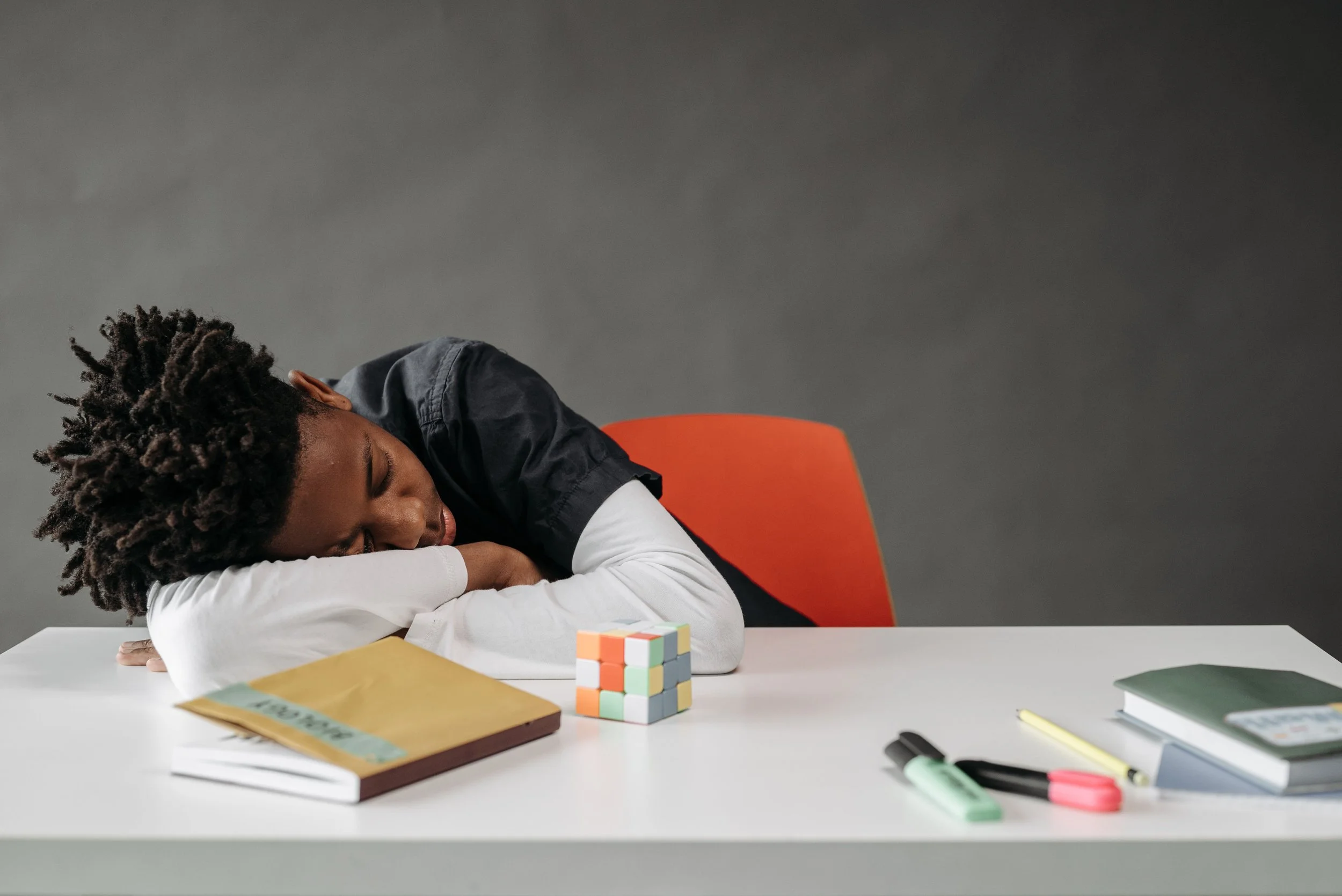
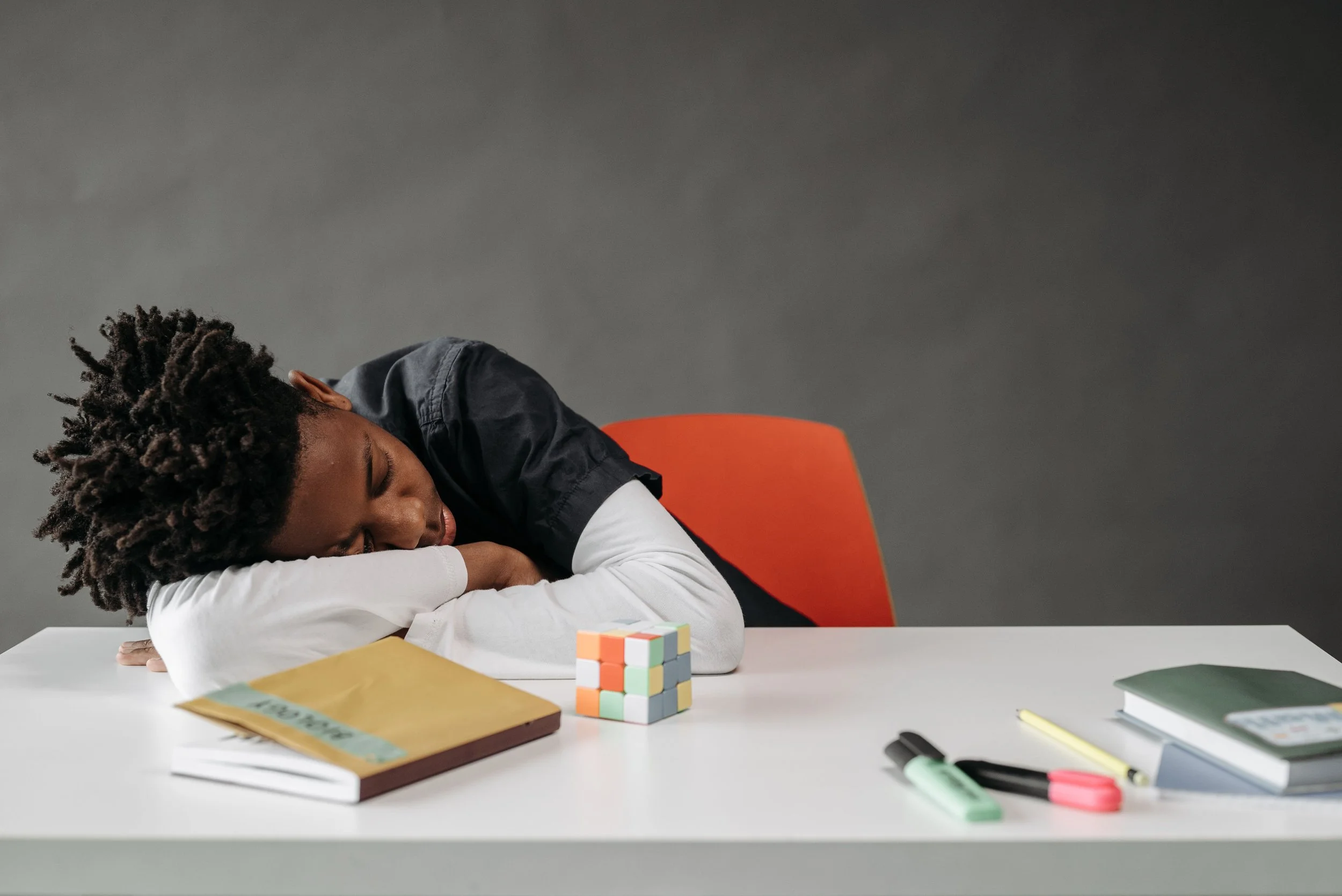
If your child is described as ‘lovely’ and ‘so well-behaved’ by their teacher, and you are picking them up off the kitchen floor by 3:45pm, you are not imagining it. This pattern is common enough to have its own name: after-school restraint collapse.
All day, your child has been managing sensory input, navigating social rules, and holding themselves together, often at real cost. By the time they reach you, their safest person, the effort can no longer be sustained, and the feelings that were held in all day come out. This is not bad behaviour. It is release.
What It Can Look Like
Meltdowns, tears, or rage within minutes of pick-up.
Refusing to talk about the day, or talking about it nonstop and scattershot.
Conflict or explosions between siblings shortly after getting home.
Hunger that seems to turn the volume up on every other feeling.
Statements like ‘I hate school’, even after what sounded like a perfectly fine day.
Strong resistance to homework, even homework that is usually manageable.
Why It Happens
School is often the most regulated part of your child’s day, and also the most demanding.
You are their safest place to put the load down.
Blood sugar is low, sensory reserves are empty, and social effort has been spent.
The car ride home is often the first quiet moment they have had all day.
After-school meltdowns are not usually a sign that your child is struggling at school.
They are often a sign that your child has been working very hard at school all day.
What Helps in the First Hour
Offer food, and make it easy. Something with protein, ready to go, helps more than it might seem.
Drop the questions for now. Avoid quizzing or asking for a recap of the day.
Offer side-by-side, low-talk time, such as walking, drawing, having a snack, or watching something together.
Movement can help. The backyard, a scooter, or a trampoline are often more useful than conversation.
Keep demands at home low for at least the first hour.
What Doesn’t Usually Help
Asking ‘how was your day?’ within the first ten minutes of pick-up.
Moving straight into activities, errands, or homework before your child has had time to recover.
Comparing your child to siblings or classmates.
Responding to the meltdown itself with consequences, rather than the holding-it-together that came before it.
When It Might Be Worth Looking Closer
Restraint collapse in small doses is a normal part of many children’s days. It is worth a closer look if it happens daily, feels intense, or stretches well into the evening. Underlying anxiety, sensory processing difficulties, ADHD, or undiagnosed autism can all make an ordinary school day feel like far more work than it should. If this sounds like your family, it is a good thing to bring to a conversation with us.
If after-school meltdowns are starting to turn into dread or resistance about going to school at all, our guide to supporting school refusal may help.
Remember
Restraint collapse can be exhausting for the whole family, and it often means your child trusts you enough to fall apart in front of you. That is not a failure on your part or theirs. With the right support at home, and understanding of what is driving it, the after-school hour usually does get easier over time.
HELPFUL RESOURCES
-
Practical, evidence-based parenting information, including school stress and emotional regulation.
-
Autistic-led education and family resources, including information on masking and restraint collapse.
-
Free mindfulness activities and guided exercises to support calm and regulation.
-
Reliable Australian health information, including child development and behaviour.