
Understanding Masking
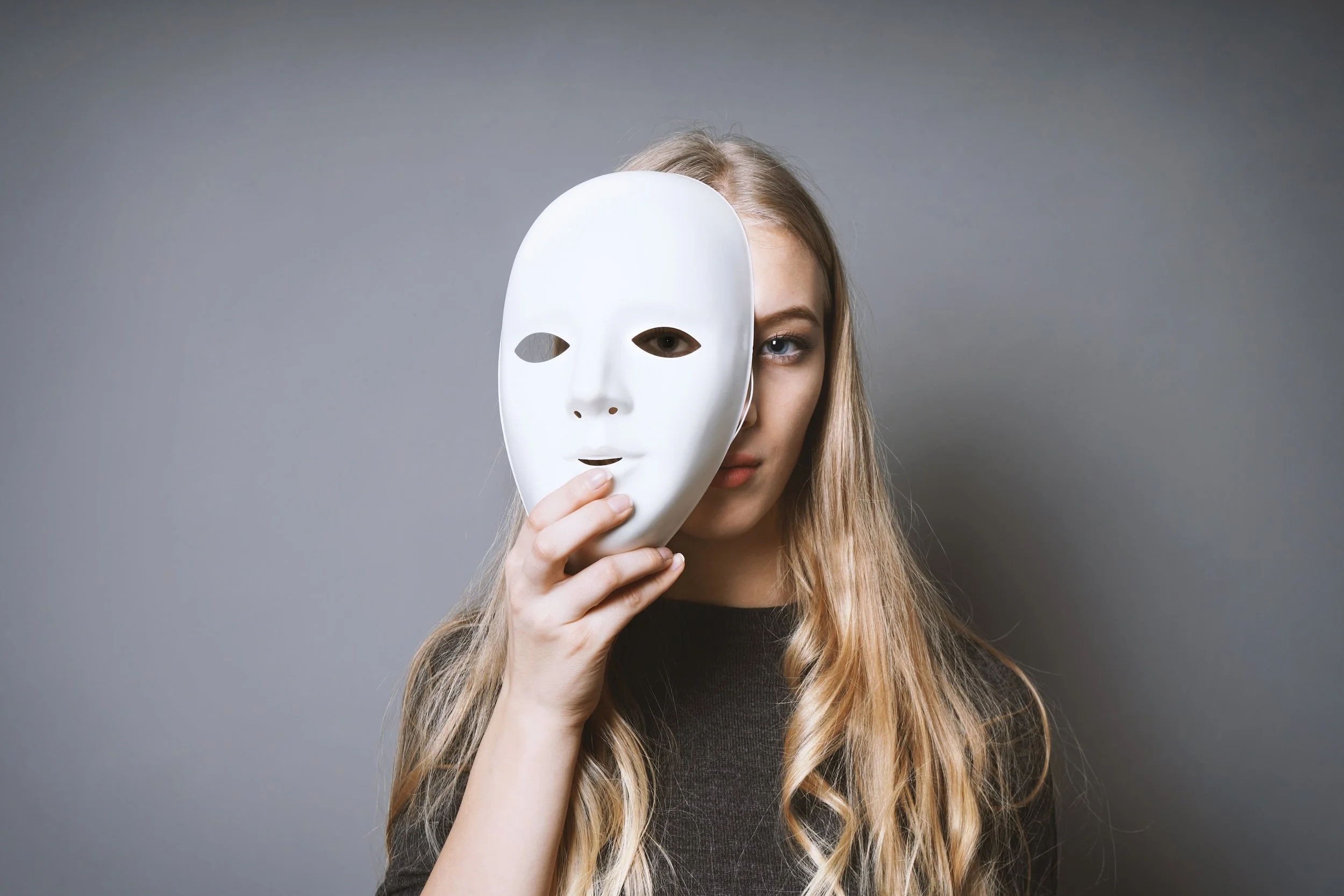
What is masking?
Masking (sometimes called camouflaging) is what happens when you hide, suppress, or rework parts of yourself to fit in with what's expected in a particular environment. For autistic people, that often means doing things like forcing eye contact, scripting conversations in advance, hiding stims, mimicking other people's expressions, or holding in sensory discomfort until you can get somewhere private.
Most people who mask are doing it for very good reasons — to feel safe, to avoid judgement, to keep a job, to get through a school day, to be liked. It often starts in childhood, and over time it can become so automatic that you might not even notice you're doing it.
What might masking look like for you?
Masking shows up differently for everyone, but some common patterns include:
Practising or rehearsing what to say before phone calls or social events
Copying other people's expressions, tone, or body language so you 'fit in'
Suppressing stims (hand movements, rocking, repeating words) when others are around
Pushing through sensory overwhelm rather than removing yourself from the situation
Laughing at jokes you didn't find funny, or agreeing with things you don't actually agree with
Feeling like you're 'performing' yourself rather than just being yourself
Needing significant recovery time after social events, even ones you enjoyed
Why does masking matter?
Masking can be useful in the short term — it can help you stay safe, get through a difficult environment, or maintain relationships. But the research is now very clear that long-term masking carries real costs. Studies consistently link sustained masking to:
Higher rates of anxiety and depression
Reduced self-esteem and a feeling of not really knowing who you are
Autistic burnout (which is a separate issue worth understanding — see our burnout sheet)
Late or missed diagnosis, particularly for women, non-binary people, and people from culturally diverse backgrounds
A sense of exhaustion that doesn't lift even after rest
None of this means masking is your fault — it's a response to environments that haven't always made space for autistic ways of being. But it does mean it's worth paying attention to.
Noticing when you're masking
A good place to start is simply noticing. You might ask yourself:
Where do I feel like I can fully be myself? Where do I feel like I have to perform?
After which interactions do I feel most exhausted?
Are there things I do automatically (like forcing eye contact) that take effort I don't always register?
What would I do differently if I knew nobody was watching or judging?
Unmasking — gently, and on your terms
Unmasking isn't about throwing off all your social skills or making yourself uncomfortable in public. It's about giving yourself permission to drop the performance in places where it's safe to do so, and recognising that you deserve spaces where you don't have to mask at all.
Some starting points people often find helpful:
Pick one safe space (home, a trusted friendship, a quiet hobby) where you let yourself stim, info-dump, or rest without apology
Connect with other autistic people — online communities, social groups, or peer support — where masking isn't expected
Start saying no to things that require heavy masking when you have the choice
Notice the small unmasked moments and let them count
Unmasking can bring up complicated feelings — relief, grief, anger that you ever had to mask in the first place. All of that is normal, and it's exactly the kind of thing therapy can help with.
When to reach out
If you're noticing that masking is taking a real toll — exhaustion that won't shift, growing anxiety, a sense that you've lost track of who you are underneath it all — please don't try to work through it alone. Your GP can help with a referral, or you can get in touch with us directly to talk about what support might look like.